8 November 2026
Beyond the apartment: discovering the architecture of Barcelona
In 2026, Barcelona has been World Capital of Architecture. A walk through seven centuries of building, from Santa Maria del Mar to Torre Glòries, and what to look for in the architecture of a home.
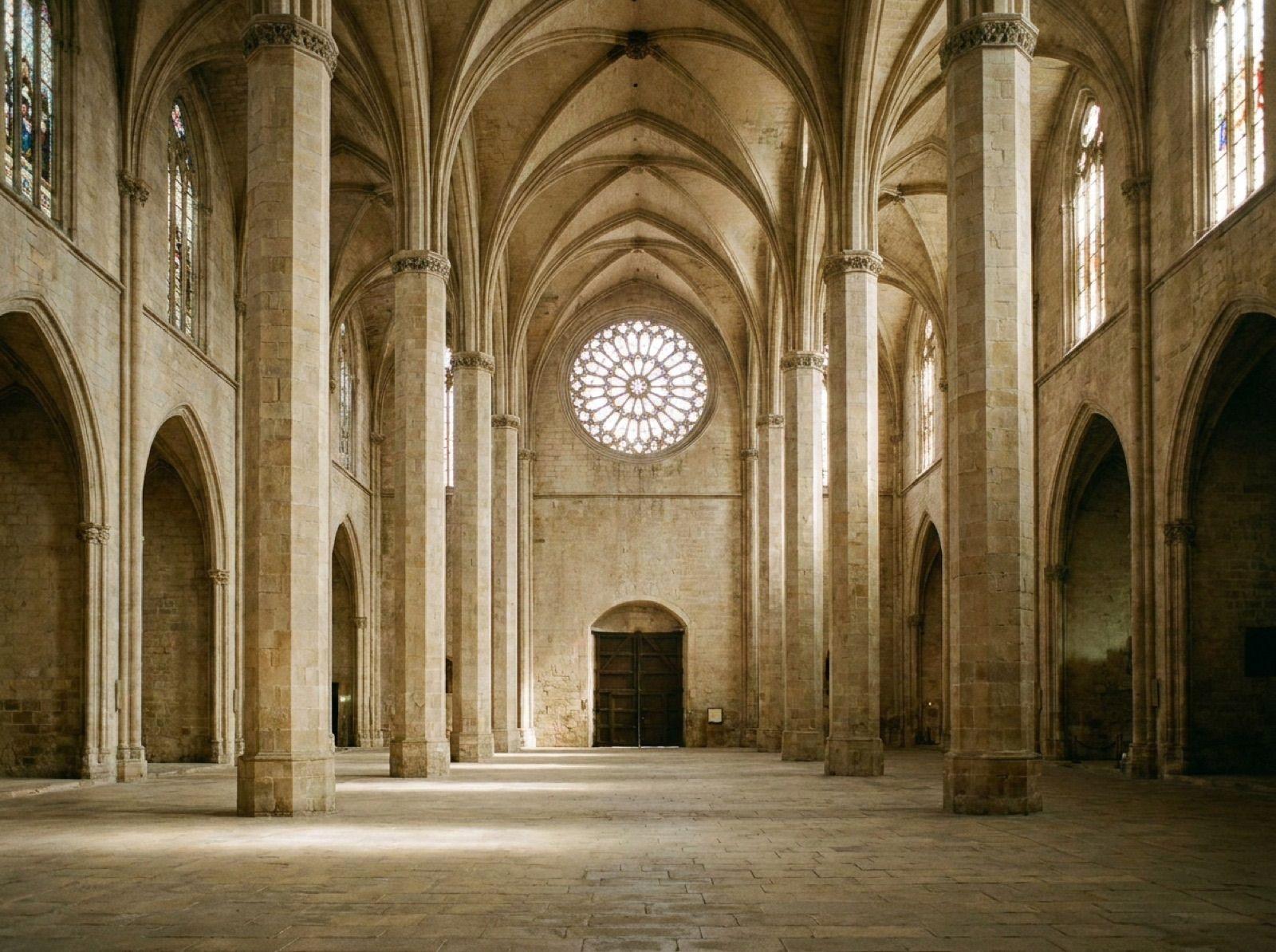
Barcelona's architecture spans more than seven centuries, from the Catalan Gothic of Santa Maria del Mar to the contemporary towers and parks of the seafront. That continuity is why UNESCO and the International Union of Architects named it World Capital of Architecture for 2026, only the third city to hold the title, after Rio de Janeiro and Copenhagen.
Most visitors know the modernista Barcelona of Gaudí, which we touched on in Reading a neighbourhood: Barcelona's districts. This piece is about the other layers, and about the architecture you live inside.
Why is Barcelona the 2026 World Capital of Architecture?
Every three years, UNESCO designates the city hosting the UIA World Congress of Architects as World Capital of Architecture. Barcelona received the title in 2023 for this year, and has marked it with a programme spread across all ten of its districts, involving more than 170 organisations. One of its lasting pieces, a large model of the Barcelona Plan 2026-2035, will remain on permanent display at the former Gustavo Gili publishing house.
Which periods shaped Barcelona's architecture?
A short chronology, beyond the modernisme everyone knows:
- Gothic, 14th century. Santa Maria del Mar, begun in 1329 and finished in little more than half a century, by Berenguer de Montagut and Ramon Despuig. It was built with the help of the neighbourhood itself; the port's porters, the bastaixos, carried its stone.
- 1929. The Barcelona Pavilion, by Ludwig Mies van der Rohe and Lilly Reich, built as Germany's pavilion for the International Exposition. Demolished in 1930, it was rebuilt on its original site and reopened in 1986.
- 2002-2005. A new seafront and skyline: Parc de Diagonal Mar by Enric Miralles and Benedetta Tagliabue (2002), the Fòrum building by Herzog & de Meuron (2004), and Jean Nouvel's 144-metre Torre Glòries (2005).
What links them is a city that has never stopped building, and has rarely built carelessly.
The Gothic city: stone and proportion
Santa Maria del Mar is the clearest lesson in Catalan Gothic: wide, high and austere, with slender columns that seem to hold up very little. The streets around it, in the Born and the Gothic Quarter, keep the same scale. Living there means thick stone walls, deep window reveals and courtyards that stay cool in August.
The modern and the contemporary
The Barcelona Pavilion is small, but it changed modern architecture: free-standing walls of marble and onyx, glass and a thin roof that seems to float. Three-quarters of a century later, the city opened a new chapter on the seafront, where the Fòrum building's blue triangle now houses the Museu Blau, the natural sciences museum, and Torre Glòries rises over the 22@ district.
What does architecture mean inside a home?
For a buyer, the city's architecture is not only something to visit. It is in the details of an apartment, and they are worth learning to read:
- Ceiling height. Older buildings often have generous ceilings, especially on the principal floor.
- Floors. Original hydraulic tiles, with their patterns, are often worth restoring rather than replacing.
- Catalan vaults. The volta catalana, a shallow brick vault between beams, is a local technique that many renovations now leave exposed.
- Light. Notice whether rooms face the street or the interior courtyard; the difference in light and quiet is real.
These are the things that make a home in Barcelona feel like it belongs to the city, and they are hard to add later. If you are looking for a home with that kind of character, we would be glad to help you read it.
Frequently asked questions
Is Barcelona the World Capital of Architecture?
Yes. UNESCO and the UIA named Barcelona World Capital of Architecture for 2026, as host of the UIA World Congress of Architects.
What are the main architectural styles in Barcelona?
Catalan Gothic (such as Santa Maria del Mar), modernisme (Gaudí, Domènech i Montaner, Puig i Cadafalch), the modern movement (the 1929 Barcelona Pavilion) and contemporary architecture (Torre Glòries, the Fòrum building).
Who designed the Barcelona Pavilion?
Ludwig Mies van der Rohe and Lilly Reich, for the 1929 International Exposition. It was rebuilt in 1986.
Sources & further reading
- UNESCO - Barcelona named UNESCO-UIA World Capital of Architecture for 2026
- Barcelona 2026, World Capital of Architecture (Ajuntament de Barcelona)
- UIA World Congress of Architects Barcelona 2026
- Fundació Mies van der Rohe - The Pavilion
- Herzog & de Meuron - Forum 2004 Building and Plaza
- Mirador Torre Glòries - Jean Nouvel